


Pure Zinc Wire vs Galvanized Wire: What Is the Difference?
Pure zinc wire and galvanized wire are not the same product. Pure zinc wire is made primarily from zinc, while galvanized wire is normally steel or iron wire with a zinc coating on its surface.
That difference determines how each wire is specified and used. Pure zinc wire is commonly used as feedstock for thermal spray and metallizing, where the zinc is melted and deposited onto another surface. Galvanized wire is already a finished steel-wire product, with zinc protecting the wire itself from corrosion.
If you are comparing pure zinc wire vs galvanized wire, the first question should therefore be whether zinc is the wire material itself or only the protective coating.
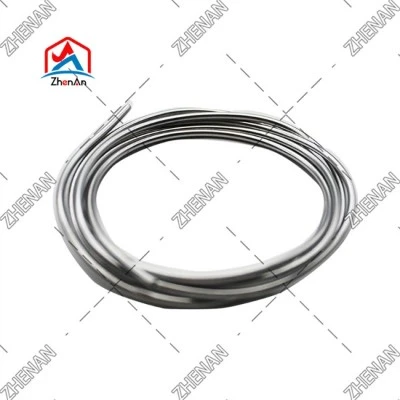
Is Pure Zinc Wire the Same as Galvanized Wire?
No. Although both products involve zinc, their base materials and functions are different.
With pure zinc wire, zinc forms the wire itself. Purity, diameter, feeding consistency, packing format and Batch COA are therefore important purchasing parameters.
With galvanized wire, the main wire body is steel or iron. Zinc is applied to the surface as a corrosion-protection layer, while the steel core provides the mechanical properties of the finished wire.
This is why "zinc wire" and "galvanized wire" should not be treated as interchangeable terms when preparing an industrial RFQ.
What Is Pure Zinc Wire Made From?
Pure zinc wire is a zinc-based wire product. Zinc is the base material rather than a coating applied over a steel core.
For industrial purchasing, purity is one of the first specifications to confirm. Different thermal spray requirements may use different purity levels, so it is useful to compare the main zinc wire purity grades before selecting the final specification.
Pure zinc wire is commonly supplied as feedstock for arc spray, flame spray and other metallizing processes. During spraying, the wire is continuously fed into the equipment, melted or atomized, and deposited onto a prepared substrate.
In other words, pure zinc wire is not normally purchased because the wire itself needs to remain as the final mechanical component. It is purchased because the zinc will become part of a coating system.
What Is Galvanized Wire Made From?
Galvanized wire is normally steel or iron wire with zinc applied to the outer surface.
The steel core gives the wire its mechanical strength, while the zinc layer helps protect the underlying steel from corrosion.
Common production routes include hot-dip galvanizing and electro-galvanizing. Hot-dip galvanized wire receives its zinc layer through contact with molten zinc, while electro-galvanized wire uses an electrochemical deposition process.
The coating thickness and final performance can vary with the galvanizing process and product specification, but the basic structure remains the same: steel or iron inside, zinc protection outside.
Pure Zinc Wire vs Galvanized Wire: Key Differences
The key differences become clearer when the two products are compared by material, function and purchasing requirements.
| Comparison | Pure Zinc Wire | Galvanized Wire |
| Base Material | Zinc | Steel or iron |
| Role of Zinc | Main wire material | Protective surface coating |
| Typical Function | Thermal spray or metallizing feedstock | Mechanical wire with corrosion protection |
| Typical Applications | Arc spray, flame spray, metallizing | Fencing, mesh, tying, baling |
| Main Buying Parameters | Purity, diameter, spool or drum, COA | Steel grade, diameter, tensile strength, zinc coating |
| Corrosion-Protection Role | Used to create a zinc coating on another surface | Zinc coating protects the wire itself |
| Direct Replacement | Usually no | Usually no |
The most important point is that both products contain zinc, but they belong to different material and purchasing categories.
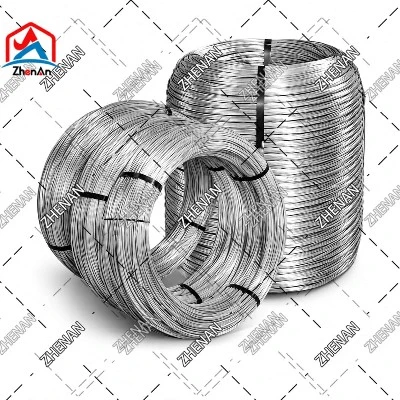
Why Pure Zinc Wire and Galvanized Wire Protect Steel Differently
Pure zinc wire and galvanized wire are both associated with corrosion protection, but zinc performs its job at different stages.
With pure zinc wire, the zinc is consumed during the thermal spray process. The wire is melted or atomized and deposited onto another metal surface, where it becomes part of the protective coating.
With galvanized wire, the zinc coating has already been applied during wire manufacturing. The finished steel wire arrives with its own protective zinc layer.
Pure zinc wire is therefore normally purchased as coating feedstock, while galvanized wire is purchased as a finished coated wire product.
This is also why comparing the two only by asking which one has better corrosion resistance can be misleading. They perform different jobs in the corrosion-protection process.
When Should You Use Pure Zinc Wire?
Pure zinc wire is normally selected when zinc needs to be applied to another surface through thermal spraying or metallizing.
Typical applications include:
- arc spray corrosion protection;
- flame spray zinc coating;
- thermal spray metallizing;
- steel structure corrosion protection;
- industrial zinc coating repair and maintenance.
For these projects, the wire should match the spray equipment, feeding format and coating requirement. These factors become especially important when sourcing industrial zinc wire for thermal spray.
The exact purity and diameter should be selected according to the equipment and coating specification rather than from a general zinc wire description.
When Should You Use Galvanized Steel Wire?
Galvanized wire is more appropriate when the wire itself must provide mechanical strength while also resisting corrosion.
Typical applications include:
- fencing;
- wire mesh;
- tying wire;
- agricultural wire;
- baling;
- other outdoor mechanical wire applications.
Because the steel core performs the mechanical work, purchasing specifications commonly focus on wire diameter, tensile strength, steel grade and zinc coating requirements.
Can Pure Zinc Wire Replace Galvanized Wire?
Usually not.
If the wire will be consumed in arc spray, flame spray, thermal spray or metallizing, the required material is normally pure zinc wire or an appropriate zinc-alloy spray wire.
If the wire will remain as a mechanical component in fencing, mesh, tying, baling or another structural wire application, galvanized steel wire is normally the relevant category.
The fact that both products involve zinc does not make them interchangeable.
What to Check Before Ordering Pure Zinc Wire
Once you have confirmed that pure zinc wire is the correct product type, the next step is to match the wire specification with the thermal spray equipment and coating requirement.
- Zinc purity: confirm the required grade and applicable impurity limits.
- Wire diameter: match the feeding requirement of the spray equipment.
- Packing format: confirm the spool, coil or drum arrangement required by the feeding system.
- Batch documentation: confirm which chemistry values need to appear on the COA.
- Quantity and destination: provide the purchasing volume and destination when requesting an export quotation.
Before shipment, the actual batch should be checked against the agreed specification. A zinc wire COA is especially useful for confirming purity and other reported chemistry before final acceptance.
What to Check Before Ordering Galvanized Wire
Galvanized wire follows a different purchasing logic because both the steel wire and zinc coating form part of the finished product.
Depending on the application, you may need to confirm:
- steel grade or wire type;
- wire diameter or gauge;
- tensile strength;
- zinc coating requirement;
- hot-dip or electro-galvanized specification where relevant;
- coil size and packaging;
- final mechanical application.
This is why an RFQ should not simply request "zinc wire" without explaining how the wire will actually be used.
How to Choose Between Pure Zinc Wire and Galvanized Wire
The choice becomes much easier once the function of the wire is clear.
Choose pure zinc wire when the wire will be consumed by thermal spray equipment and the zinc needs to become a coating on another substrate.
Choose galvanized steel wire when you need a mechanically strong steel wire that already has zinc corrosion protection on its own surface.
If you are still unsure, describe the application before specifying the product name. "Wire for arc spraying zinc onto a steel tank" and "wire for outdoor fencing" may both involve zinc, but they require completely different products.
Pure Zinc Wire vs Galvanized Wire FAQ
Q: Is pure zinc wire the same as galvanized wire?
A: No. Pure zinc wire is made primarily from zinc, while galvanized wire is usually steel or iron wire covered with a zinc coating. Their base materials, specifications and applications are different.
Q: Can galvanized wire be used for thermal spray instead of pure zinc wire?
A: Usually no. Thermal spray equipment normally requires a suitable zinc or zinc-alloy wire as feedstock. Galvanized wire has a steel or iron core and should not be treated as the same material as pure zinc spray wire.
Q: Which wire should I use for arc spray corrosion protection?
A: If the wire will be melted and sprayed onto a steel surface, pure zinc wire or a suitable zinc-alloy spray wire is normally the relevant product category. The required purity and diameter should match the spray equipment and coating specification.
Q: Which wire is better for fencing or wire mesh?
A: Galvanized steel wire is normally more suitable for fencing, mesh, tying and other mechanical wire uses because the steel core provides strength while the zinc coating helps protect the wire from corrosion.
Q: What specifications should I check before buying pure zinc wire?
A: Check zinc purity, wire diameter, feeding format, spool or drum requirement, Batch COA, quantity and destination. The final specification should match the thermal spray equipment and coating requirement.
Q: What specifications should I check before buying galvanized wire?
A: Check the steel grade, wire diameter or gauge, tensile strength, zinc coating requirement, galvanizing method, coil or packing format and final mechanical application.
Q: Is pure zinc wire more corrosion resistant than galvanized wire?
A: That comparison is usually not the best way to choose between them because the two products perform different functions. Pure zinc wire is used to create a zinc coating on another substrate, while galvanized wire is a steel wire that already has a protective zinc coating.
Not Sure Which Wire Your Project Requires?
Tell us how the wire will be used, including the spray process or mechanical application, required diameter and purchasing quantity. We can help you confirm whether pure zinc wire is the right material before quotation.
Confirm Your Wire Type Email Your ApplicationZhenAn supplies pure zinc wire for thermal spray and related industrial coating applications. We confirm the required material, purity, diameter, packing format and batch documentation before quotation.


